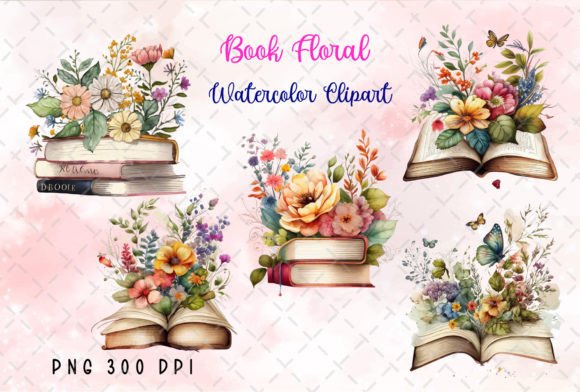
Floral Book Flower Watercolor Clipart: A Designer's Guide
When you're building a brand or a product line, the details matter. That perfect botanical illustration can turn a simple mug into a bestseller or a basic tote bag into a coveted item. This is where a versatile asset like Floral Book Flower Watercolor Clipart becomes indispensable. It’s not just a collection of flowers; it’s a set of four high-resolution, transparent PNG files designed to integrate seamlessly into your workflow. Think of it as a core component of your design assets library, ready to add organic elegance to virtually any project.
Understanding the Visual Style and Personality
The charm of this collection lies in its authentic watercolor aesthetic. Unlike flat, vector graphics, these images have the subtle texture, color bleeds, and soft edges you’d find in a hand-painted piece. The style strikes a beautiful balance—it’s detailed enough to feel premium and artistic, yet the composition remains clean and adaptable. This isn’t overly complex floral art that overwhelms a design; it’s crafted to complement text, serve as a focal point, or provide a delicate background element. The "book flower" theme suggests a vintage, literary, or romantic personality, making it particularly suited for brands that value storytelling, nature, and a touch of nostalgia.
Each file is provided at a substantial 4,000 by 4,000 pixels with 300 dpi. This means you have the resolution and flexibility to use these graphics on large-scale print projects like posters, signage, and packaging without losing an ounce of clarity. The transparent background is a critical feature, allowing you to layer these illustrations over any color, pattern, or photograph without awkward white boxes. For a designer or small business owner, this saves hours of tedious clipping path work in Photoshop.
Practical Applications: Where This Clipart Shines
The real value of a resource like Floral Book Flower Watercolor Clipart is in its application. Its utility spans a remarkable range of projects, making it a worthwhile investment for diverse creative professionals.
For Branding and Marketing: Imagine crafting a brand identity for a boutique florist, a wedding planner, a tea company, or a stationery brand. These watercolor elements can be used to create a consistent visual language across the logo, business cards, website banners, and social media graphics. They inject personality and warmth into a brand, helping to build a recognizable and approachable visual hierarchy. The soft, artistic quality can make a brand feel more human and less corporate, which resonates deeply with audiences in lifestyle, wellness, and artisanal markets.
For Product Design and Packaging: This is where the clipart truly excels. The files are perfect for direct application on products. Use them to design elegant patterns for greeting cards and postcards. Create stunning, full-bleed artwork for tote bags or apparel like t-shirts. The high resolution ensures your designs look sharp and professional on physical goods. For packaging design, a single floral element can transform a plain box or label into something that feels luxurious and thoughtfully curated, directly influencing perceived value and customer engagement.
Digital and Editorial Projects: In the digital realm, these graphics are incredibly versatile. Use them as hero images on blog posts, as decorative elements in email newsletters, or as engaging visuals for social media carousels. For content creators and bloggers, they provide a quick way to elevate the aesthetic of your site without needing a custom illustration for every post. In editorial design, such as for a magazine layout or an e-book cover, they can serve as chapter dividers, pull-quote decorations, or background accents that add depth and visual interest to the page layout.
Key Considerations for Effective Use
Integrating any new graphic asset effectively requires a bit of strategy. First, always consider context. The romantic, watercolor style of this Floral Book Flower Watercolor Clipart pairs beautifully with certain typefaces. It often works well with clean, modern sans-serif fonts for contrast, or with elegant serif fonts and tasteful script fonts for a cohesive, classic look. Avoid pairing it with overly playful or cartoonish fonts, which can clash with its refined aesthetic.
Next, think about color harmony. While the clipart has its own palette, you can often adjust the colors slightly in your design software to better match your brand’s color scheme. Use the floral elements to pull accent colors for your overall design, creating a harmonious and unified look. This is a fundamental aspect of professional graphic design that enhances brand consistency.
Finally, be mindful of licensing. The product description is clear: you are purchasing digital files for your use, but you cannot resell the original files themselves. This is standard for most commercial font and graphic licenses. The intention is for you to create new, derivative works—like a finished t-shirt design or a printed card—not to redistribute the raw asset. If you plan to use it in a logo for a client, ensure the final logo file is delivered in a way that the underlying asset cannot be easily extracted. For any large-scale or sensitive commercial projects, reviewing the official licensing document or contacting support for clarification is a prudent step.
In your toolkit of design assets, a well-chosen set of illustrations like this can be a game-changer. It provides a shortcut to creating professional, emotionally resonant designs that connect with your audience, whether you're building a brand from the ground up or refreshing an existing one. The key is to use it thoughtfully, letting its natural beauty enhance rather than overpower your message.